
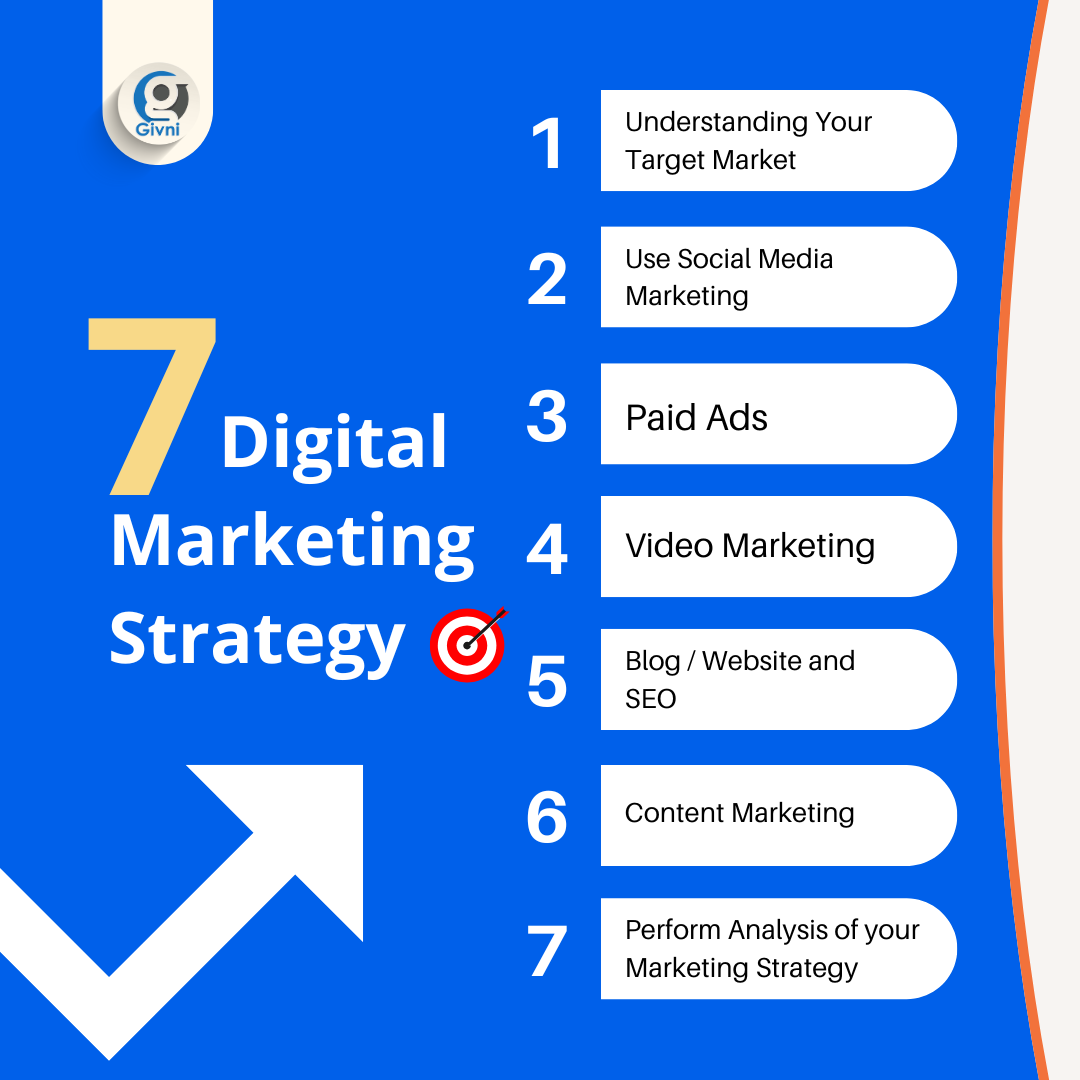
7 Digital Marketing Strategies to Skyrocket Your Business Growth
In today's rapidly evolving digital landscape, having a robust online presence isn't just an advantage—it's a necessity for business survival and growth. Whether you're a startup entrepreneur, small business owner, or managing a large enterprise, implementing effective digital marketing strategies can be the difference between thriving and merely surviving in the competitive marketplace.
The digital revolution has fundamentally transformed how consumers discover, research, and purchase products and services. With over 5 billion internet users worldwide and digital ad spending expected to reach unprecedented levels, businesses that fail to leverage digital marketing channels risk becoming invisible to their target audience.
This comprehensive guide explores seven proven digital marketing strategies that successful businesses use to accelerate growth, increase revenue, and build lasting customer relationships. These aren't just theoretical concepts—they're actionable tactics that deliver measurable results when implemented correctly.
1. Understanding Your Target Market: The Foundation of Success
Before launching any marketing campaign, you must deeply understand who you're trying to reach. Understanding your target market is the cornerstone of all successful digital marketing efforts. Without this foundational knowledge, even the most creative campaigns will fall flat.
Why Target Market Research Matters
Consumer behavior has become increasingly complex in the digital age. People interact with brands across multiple touchpoints—social media, search engines, email, websites, and mobile apps. To effectively reach and convert your ideal customers, you need to understand their demographics, psychographics, behaviors, and pain points.
How to Conduct Effective Market Research
Create Detailed Buyer Personas: Develop comprehensive profiles of your ideal customers including age, gender, location, income level, education, job title, challenges, goals, and buying motivations. These personas should be based on real data from your existing customers and market research.
Analyze Customer Data: Dive deep into your analytics to understand how customers interact with your brand. Which pages do they visit most? What content resonates? Where do they drop off in the buying journey? Tools like Google Analytics, heat mapping software, and CRM data provide invaluable insights.
Conduct Surveys and Interviews: Direct feedback from customers and prospects reveals insights that data alone cannot provide. Ask about their challenges, what solutions they've tried, what factors influence their purchasing decisions, and how they prefer to consume content.
Study Your Competitors: Analyze who your competitors are targeting and how they position themselves. Identify gaps in the market that your business can fill and opportunities to differentiate your offering.
Monitor Social Listening: Use social listening tools to track conversations about your brand, competitors, and industry. This reveals customer sentiment, emerging trends, and unmet needs in your market.
Applying Market Insights to Your Strategy
Once you understand your target market, align every aspect of your digital marketing strategy accordingly. Your messaging, content topics, visual style, channel selection, and advertising targeting should all reflect the preferences and behaviors of your ideal customers. This laser-focused approach dramatically improves campaign performance and ROI.
2. Use Social Media Marketing: Build Relationships at Scale
Social media has revolutionized how businesses connect with customers. With 4.9 billion social media users worldwide, these platforms offer unprecedented opportunities to build brand awareness, foster community, and drive conversions.
Choosing the Right Social Media Platforms
Not all social media platforms are created equal, and not all will be right for your business. Strategic platform selection based on where your target audience spends time is crucial.
Facebook: With 3 billion users, Facebook remains the largest social network. It's particularly effective for B2C businesses, local businesses, and brands targeting audiences aged 25-54. Facebook's robust advertising platform allows for highly detailed targeting.
Instagram: This visual-first platform excels for lifestyle brands, e-commerce, fashion, food, travel, and businesses with strong visual content. Instagram's younger demographic (primary users aged 18-34) makes it ideal for brands targeting millennials and Gen Z.
LinkedIn: The premier B2B social network connects professionals and decision-makers. LinkedIn is essential for B2B marketing, professional services, recruitment, and thought leadership content.
Twitter/X: Excellent for real-time engagement, customer service, news, and trending topics. Brands that can be timely, conversational, and authentic thrive on Twitter.
TikTok: The fastest-growing platform with over 1 billion users, primarily Gen Z and millennials. Short-form video content that's entertaining, educational, or inspiring performs best.
YouTube: The world's second-largest search engine is perfect for tutorial content, product demonstrations, vlogs, and longer-form video content.
Creating Engaging Social Media Content
Successful social media marketing requires more than just posting promotional content. The 80/20 rule applies: 80% of your content should educate, entertain, or inspire, while only 20% should directly promote your products or services.
Content Variety: Mix up your content formats including images, videos, carousels, stories, live streams, polls, and user-generated content. Different formats appeal to different audience segments and keep your feed dynamic.
Consistency is Key: Develop a consistent posting schedule. Regular posting keeps your brand top-of-mind and signals to algorithms that your account is active, improving organic reach.
Engage Authentically: Social media is a two-way conversation. Respond to comments, answer questions, participate in relevant conversations, and show the human side of your brand.
Leverage Hashtags Strategically: Research and use relevant hashtags to increase discoverability. Mix popular industry hashtags with niche-specific and branded hashtags.
Track Performance Metrics: Monitor engagement rates, reach, impressions, click-through rates, and conversions. Use these insights to refine your content strategy continuously.
3. Paid Ads: Accelerate Your Growth with Targeted Advertising
While organic marketing builds long-term sustainable growth, paid advertising delivers immediate visibility and results. Strategic investment in paid ads allows you to reach your ideal customers precisely when they're ready to buy.
Google Ads: Capture High-Intent Traffic
Google processes over 8.5 billion searches per day. Google Ads places your business in front of people actively searching for products or services like yours.
Search Ads: Text ads that appear at the top of search results for specific keywords. These capture users with high purchase intent searching for solutions.
Display Ads: Visual banner ads that appear across Google's vast display network of websites and apps. Display ads are excellent for building awareness and retargeting.
Shopping Ads: Product listing ads with images, prices, and merchant information. Essential for e-commerce businesses looking to showcase products directly in search results.
YouTube Ads: Video ads on the world's largest video platform. Options include skippable in-stream ads, non-skippable ads, bumper ads, and discovery ads.
Facebook and Instagram Ads: Precision Targeting
Facebook's advertising platform offers unparalleled targeting capabilities based on demographics, interests, behaviors, and custom audiences.
Awareness Campaigns: Reach new audiences and build brand recognition with campaigns optimized for impressions and reach.
Consideration Campaigns: Drive traffic to your website, increase engagement, encourage app installs, or generate video views.
Conversion Campaigns: Optimize for specific actions like purchases, lead generation, or catalog sales. Facebook's algorithm learns and improves targeting over time.
Retargeting: Re-engage people who have interacted with your brand but haven't converted. Retargeting typically delivers higher conversion rates at lower costs.
LinkedIn Ads: B2B Marketing Powerhouse
LinkedIn's professional context makes it the premier platform for B2B advertising. Target decision-makers by job title, company size, industry, seniority, and more.
Best Practices for Paid Advertising Success
Start with Clear Objectives: Define what success looks like—whether it's website traffic, leads, sales, or brand awareness.
Test and Optimize: A/B test ad creative, headlines, calls-to-action, and landing pages. Small improvements compound over time.
Implement Conversion Tracking: Proper tracking is essential to measure ROI and optimize campaigns effectively.
Allocate Budget Strategically: Start with smaller budgets to test what works, then scale successful campaigns.
Create Compelling Landing Pages: Your ad is only half the equation. Ensure your landing pages are optimized for conversions with clear value propositions and strong calls-to-action.
4. Video Marketing: Engage Your Audience Visually
Video has become the most engaging and effective content format in digital marketing. Studies show that video content generates 1200% more shares than text and images combined.
Why Video Marketing Works
The human brain processes visual information 60,000 times faster than text. Video combines visuals, audio, and storytelling to create emotional connections and convey complex information quickly and memorably.
Increased Engagement: Videos capture and hold attention far better than static content. Social media posts with video receive 48% more views.
Improved SEO: Websites with video are 53 times more likely to rank on the first page of Google search results. Video increases time on page, a key ranking factor.
Higher Conversion Rates: Including video on landing pages can increase conversions by 80%. Product videos help customers make informed purchase decisions, reducing returns and increasing satisfaction.
Mobile-Friendly: With over 70% of YouTube watch time coming from mobile devices, video aligns perfectly with how people consume content on-the-go.
Types of Video Content
Explainer Videos: Short videos (60-90 seconds) that explain what your product or service does and how it solves customer problems.
Product Demonstrations: Show your product in action, highlighting features and benefits. Particularly effective for e-commerce and software companies.
Customer Testimonials: Authentic stories from satisfied customers build trust and social proof more effectively than any sales pitch.
Behind-the-Scenes: Give audiences a peek into your company culture, manufacturing process, or daily operations to build authenticity and connection.
Educational Content: Tutorials, how-to guides, and industry insights position your brand as a helpful expert resource.
Live Video: Real-time interaction creates urgency and authenticity. Use for Q&A sessions, product launches, or event coverage.
Short-Form Video: Platforms like TikTok, Instagram Reels, and YouTube Shorts have made bite-sized video content extremely popular and shareable.
Video Marketing Best Practices
Hook Viewers Immediately: The first 3-5 seconds are critical. Start with a compelling hook that captures attention and clearly signals what the video is about.
Optimize for Silent Viewing: 85% of Facebook videos are watched without sound. Use captions and visual storytelling that works even when muted.
Keep It Concise: Attention spans are short. Deliver your message efficiently, keeping most videos under 2 minutes unless providing in-depth educational content.
Include Clear Calls-to-Action: Tell viewers exactly what to do next—visit your website, subscribe, download a resource, or make a purchase.
Optimize for Search: Use keyword-rich titles, descriptions, and tags. Create custom thumbnails that entice clicks.
5. Blog/Website and SEO: Build Long-Term Organic Visibility
Search Engine Optimization (SEO) is the practice of optimizing your website to rank higher in search engine results pages (SERPs). While it requires time and consistent effort, SEO delivers sustainable long-term results and the highest ROI of any digital marketing channel.
The Power of Organic Search Traffic
Organic search drives 53% of all website traffic. Unlike paid advertising which stops delivering results when you stop paying, high-ranking content continues attracting visitors indefinitely.
On-Page SEO Fundamentals
Keyword Research: Identify the search terms your target audience uses when looking for products, services, or information related to your business. Use tools like Google Keyword Planner, SEMrush, or Ahrefs to find high-volume, low-competition keywords.
Quality Content Creation: Google's algorithms prioritize helpful, relevant, high-quality content that satisfies user intent. Write comprehensive articles that thoroughly address topics, answer questions, and provide genuine value.
Title Tags and Meta Descriptions: Craft compelling, keyword-rich title tags (50-60 characters) and meta descriptions (150-160 characters) that encourage clicks from search results.
Header Tags (H1, H2, H3): Structure content with clear hierarchical headings that include relevant keywords and make content easy to scan.
URL Structure: Create clean, descriptive URLs that include target keywords and clearly indicate page content.
Internal Linking: Link between relevant pages on your website to help search engines understand your site structure and keep visitors engaged longer.
Image Optimization: Use descriptive file names and alt text for images. Compress images to improve page load speed without sacrificing quality.
Mobile Optimization: With mobile-first indexing, Google primarily uses the mobile version of your site for ranking. Ensure your website is fully responsive and provides excellent mobile user experience.
Technical SEO
Site Speed: Page load time is a ranking factor and critical to user experience. Optimize images, leverage browser caching, minimize code, and use a content delivery network (CDN).
SSL Certificate: HTTPS is a ranking signal and essential for security. Ensure your entire site uses secure HTTPS protocol.
XML Sitemap: Create and submit an XML sitemap to help search engines discover and index all your pages.
Structured Data: Implement schema markup to help search engines understand your content and potentially earn rich snippets in search results.
Fix Broken Links: Regularly audit and fix broken internal and external links that create poor user experience.
Content Strategy for SEO Success
Publish Consistently: Regular content publication signals to search engines that your site is active and authoritative.
Target Long-Tail Keywords: While competitive short keywords are difficult to rank for, longer, more specific keyword phrases often have less competition and higher conversion intent.
Create Pillar Content: Develop comprehensive, authoritative guides on core topics in your industry. These pillar pages attract links and rank for many related keywords.
Answer Common Questions: Research questions your audience asks (using tools like Answer the Public) and create content that directly addresses them.
Update Existing Content: Refresh and expand older content to keep it current and relevant. Updated content often sees ranking improvements.
6. Content Marketing: Build Authority and Trust
Content marketing is the strategic creation and distribution of valuable, relevant content to attract and retain a clearly defined audience. Rather than explicitly promoting products, content marketing educates and informs, building trust and establishing your brand as an industry authority.
Why Content Marketing Drives Business Growth
Builds Trust: Consistently providing helpful information without asking for anything in return builds credibility and goodwill with your audience.
Nurtures Leads: Not everyone is ready to buy immediately. Educational content keeps your brand top-of-mind as prospects move through their buying journey.
Improves SEO: Quality content earns backlinks, social shares, and engagement signals that improve search rankings.
Costs Less Than Traditional Marketing: Content marketing costs 62% less than traditional marketing while generating approximately 3 times as many leads.
Establishes Thought Leadership: Demonstrating expertise through insightful content positions your brand as an industry leader.
Types of Content Marketing
Blog Posts: The foundation of most content marketing strategies. Blogs are versatile, SEO-friendly, and can address any topic relevant to your audience.
E-books and Whitepapers: Longer, more comprehensive resources that provide in-depth information. Excellent lead magnets for email list building.
Infographics: Visual representations of data or concepts that are highly shareable and digestible.
Case Studies: Detailed stories of how your product or service solved real customer problems, complete with measurable results.
Podcasts: Audio content that audiences can consume while multitasking. Great for building personal connections and thought leadership.
Webinars: Live or recorded presentations that educate audiences while showcasing expertise. Effective for lead generation and nurturing.
Email Newsletters: Regular communication that delivers value directly to subscribers' inboxes, keeping your brand top-of-mind.
Social Media Content: Bite-sized content optimized for specific platforms that drives engagement and extends your reach.
Creating a Content Marketing Strategy
Define Clear Goals: What do you want to achieve—brand awareness, lead generation, customer education, or retention?
Understand Your Audience: Create content that addresses their specific challenges, questions, and interests at each stage of the buyer's journey.
Develop a Content Calendar: Plan content topics, formats, and publishing schedule in advance for consistency and strategic alignment.
Promote Your Content: Creating great content is only half the battle. Actively promote through email, social media, paid advertising, and outreach.
Measure and Optimize: Track metrics like traffic, engagement, lead generation, and conversions. Use insights to refine your content strategy continuously.
7. Perform Analysis of Your Marketing Strategy: Data-Driven Optimization
The most successful digital marketers are data-driven. They don't rely on guesswork or intuition—they measure everything, analyze results, and continuously optimize based on what the data reveals.
Why Marketing Analytics Matter
Without measurement, you're flying blind. Marketing analytics reveal what's working, what's not, and where to invest your time and budget for maximum return.
Key Metrics to Track
Website Traffic: Total visitors, unique visitors, page views, and traffic sources show the overall health of your digital presence.
Conversion Rate: The percentage of visitors who complete desired actions (purchases, form submissions, downloads). This is the ultimate measure of marketing effectiveness.
Cost Per Acquisition (CPA): How much you spend to acquire a customer. Essential for determining profitability of marketing channels.
Return on Investment (ROI): Revenue generated compared to marketing costs. Positive ROI indicates profitable marketing.
Customer Lifetime Value (CLV): Total revenue a customer generates over their entire relationship with your business. Understanding CLV helps determine how much you can afford to spend on acquisition.
Engagement Metrics: Time on page, bounce rate, pages per session, social media engagement, and email open/click rates indicate content quality and audience interest.
Keyword Rankings: Track how your target keywords rank in search engines over time.
Backlink Profile: The quantity and quality of websites linking to yours, a key factor in SEO success.
Essential Analytics Tools
Google Analytics: Free, comprehensive website analytics platform that tracks traffic, user behavior, conversions, and much more.
Google Search Console: Monitor your website's search performance, identify technical issues, and see which queries drive traffic.
Social Media Analytics: Each platform provides native analytics showing post performance, audience demographics, and engagement trends.
Email Marketing Analytics: Platforms like Mailchimp, Constant Contact, or HubSpot track opens, clicks, conversions, and subscriber growth.
Heatmapping Tools: Services like Hotjar or Crazy Egg show exactly where users click, scroll, and spend time on your pages.
Conversion Rate Optimization (CRO) Tools: A/B testing platforms like Optimizely or VWO help you test variations and improve conversion rates.
Creating an Analytics Routine
Set Benchmarks: Establish baseline metrics for all key performance indicators before making changes.
Regular Reporting: Create weekly or monthly reporting routines to review performance consistently.
Identify Patterns: Look for trends over time rather than reacting to daily fluctuations.
Ask Why: When metrics change significantly, dig deeper to understand the underlying causes.
Take Action: Data without action is worthless. Use insights to make informed decisions about budget allocation, content topics, targeting, and strategy adjustments.
Document Learnings: Keep a record of tests, changes, and results so you build institutional knowledge over time.
Bringing It All Together: Your Digital Marketing Success Plan
Implementing these seven digital marketing strategies doesn't happen overnight. Success requires commitment, consistency, and continuous optimization. Here's how to get started:
Start with Strategy: Before launching into tactics, develop a comprehensive digital marketing strategy aligned with your business goals. Who are you targeting? What makes you different? What actions do you want people to take?
Prioritize Based on Resources: You don't need to excel at everything immediately. Start with 2-3 strategies where you can make the biggest impact, then expand as you build momentum and resources.
Build on Foundations: Understanding your target market and having a solid website with SEO are foundational. Get these right before investing heavily in other channels.
Test and Learn: Digital marketing allows for rapid testing and iteration. Run experiments, measure results, and double down on what works.
Stay Current: Digital marketing evolves constantly. Algorithms change, new platforms emerge, and consumer behaviors shift. Commit to ongoing learning and adaptation.
Consider Expert Help: While these strategies can be learned and implemented in-house, partnering with experienced digital marketing professionals can accelerate results and avoid costly mistakes.
Take Your Business to the Next Level with Expert Digital Marketing
Ready to elevate your digital presence and drive real business growth? The digital marketing landscape offers unprecedented opportunities for businesses willing to invest in strategic, data-driven marketing.
Whether you're just starting your digital marketing journey or looking to optimize existing efforts, having the right partner makes all the difference. Expert guidance helps you avoid common pitfalls, implement best practices, and achieve results faster.
Contact Givni today for expert digital marketing solutions tailored to your unique business needs. Our team of specialists brings deep expertise across SEO, content marketing, social media, paid advertising, and analytics to help you achieve your growth goals.
Don't let your competitors dominate the digital space. Start implementing these proven strategies today and watch your business thrive in the digital age.
Conclusion
Digital marketing has leveled the playing field, allowing businesses of all sizes to compete for attention and customers online. By implementing these seven proven strategies—understanding your target market, leveraging social media, investing in paid advertising, creating compelling video content, optimizing for search engines, developing valuable content, and analyzing your results—you create a comprehensive digital presence that drives sustainable business growth.
The businesses that win in the digital age aren't necessarily those with the biggest budgets, but those that understand their audience, deliver genuine value, and continuously optimize based on data. Start with one strategy, master it, then expand your efforts systematically.
Your digital marketing journey begins now. Which strategy will you prioritize first?
About Givni
Givni is a full-service digital marketing agency specializing in helping businesses maximize their online potential. With expertise spanning SEO, content marketing, social media management, paid advertising, and data analytics, we create customized strategies that deliver measurable results. Contact us today to learn how we can help your business grow.